History
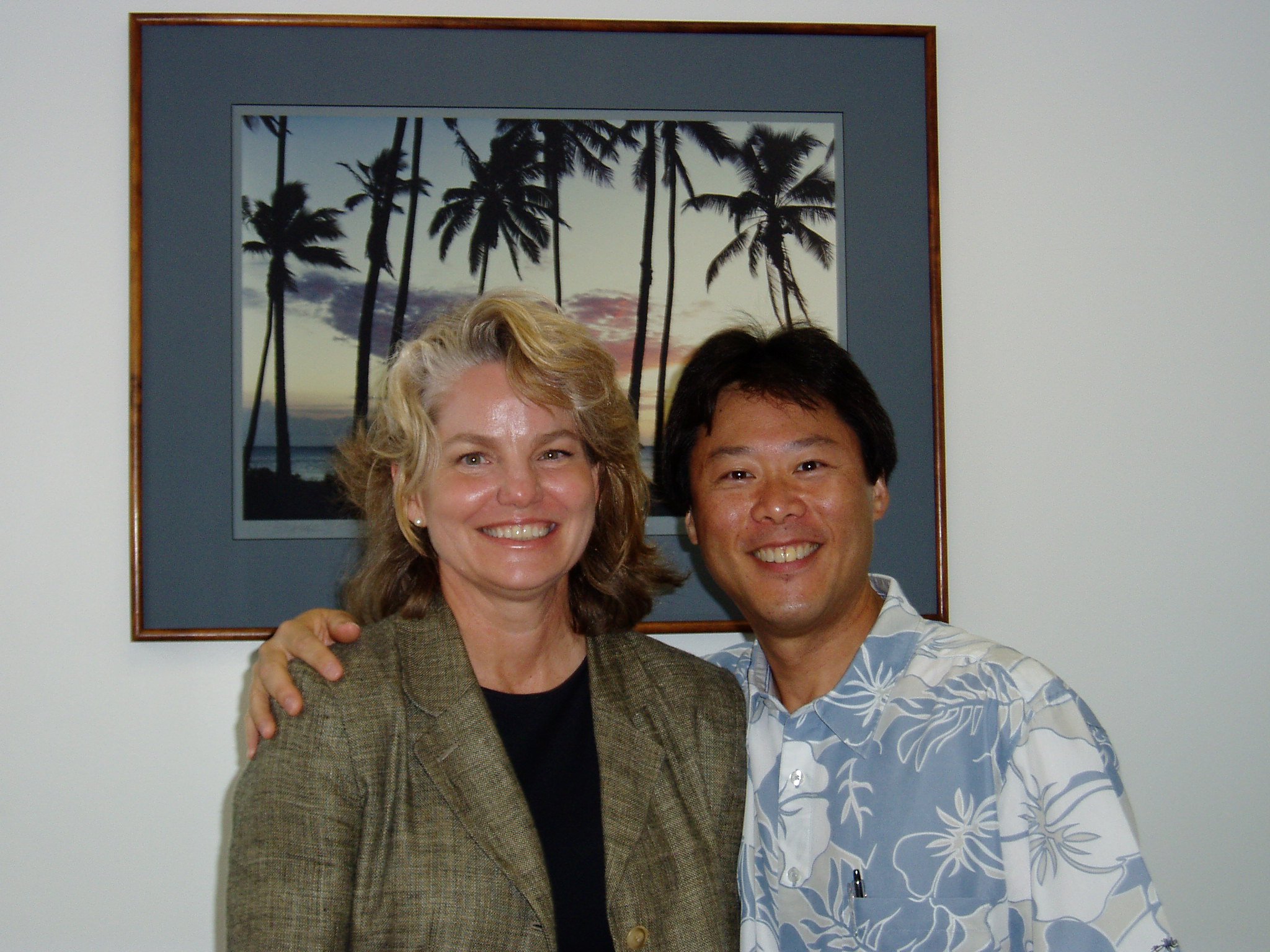
The Hawaiʻi Cord Blood Bank was founded in July of 1998 by Jana Hall, Ph.D. (Genetics) and Randal Wada, M.D. (Pediatric Hematology/Oncology). The program was initially piloted at the Kapiʻolani Medical Center for Women and Children, but is now also operating at the Queen's Medical Center, Kaiser Permanente Medical Center, Castle Medical Center, and Tripler Army Medical Center.
This community based approach, and Hawaiʻi's unique racial demographics, make Hawaiʻi Cord Blood Bank a national model for a system of cord blood collection and banking that is truly capable of reflecting the full spectrum of ethnic diversity within the population it seeks to serve.


From Vision to Lifesaving Impact: Our Journey
1997
Dr. Randal Wada & Dr. Jana Hall embark on a journey to help mitigate the challenges of finding cord blood donors for Hawaiʻi's ethnically diverse patient population.
1998
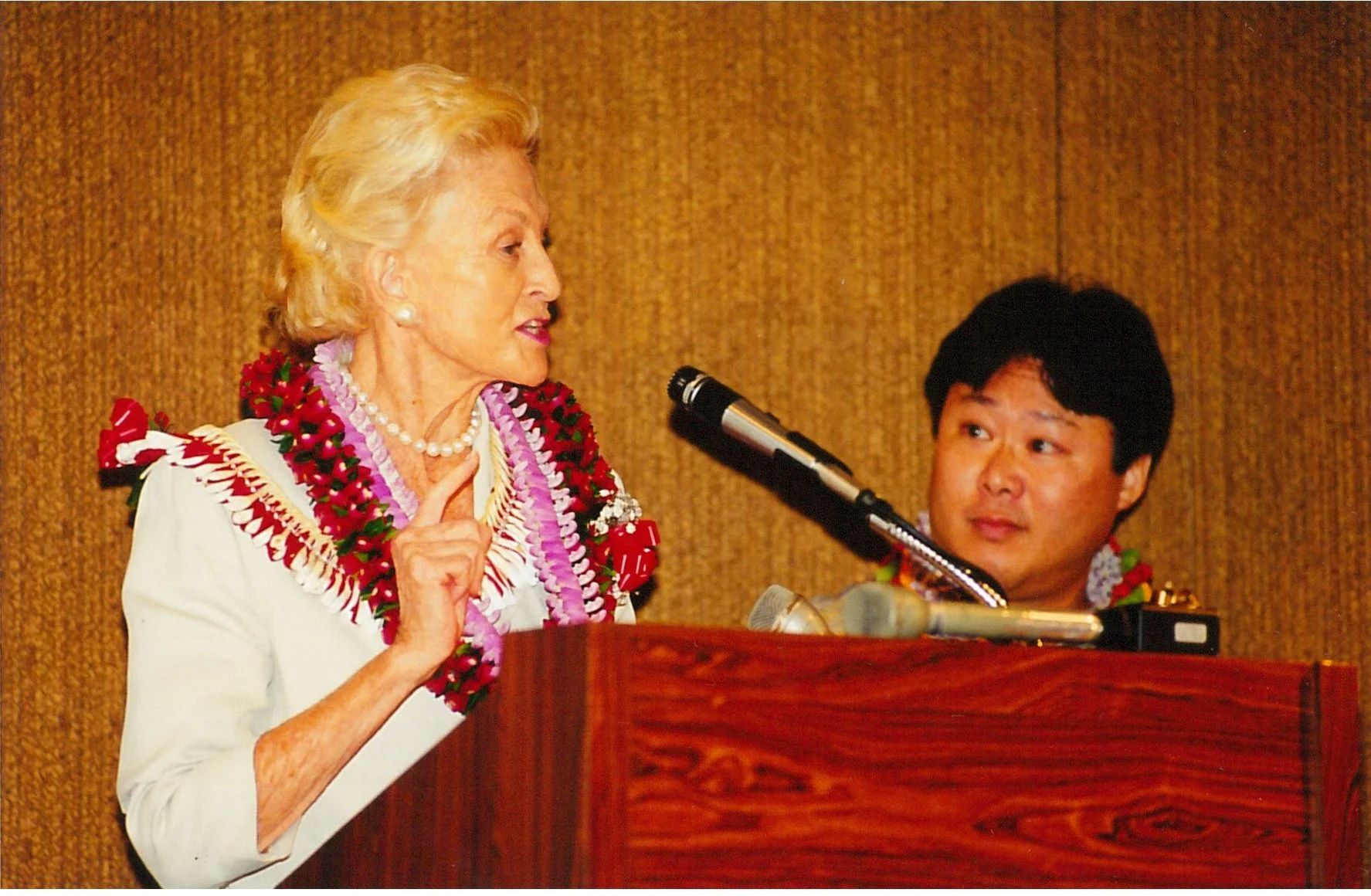
Thanks to a generous donation from Emily Castle, HCBB is established as a pilot demonstration project at Kapiʻolani Medical Center for Women & Children. Through a collaboration with Bloodworks Northwest in Seattle, umbilical cord blood collected on Oʻahu is flown to the mainland to be processed and stored.

1999
Cord blood collections expand to Queen's Medical Center and Kaiser Permanente Moanalua Medical Center. Kaiser Permanente Moanalua is the first Kaiser Permanente facility in the country to be involved in a public cord blood banking program.
2000
HCBB becomes an independent 501(c)(3) non-profit organization. Tripler Army Medical Center is added as a collection site and is the first military medical center in the country to be involved in a public cord blood banking program.
2002
HCBB becomes part of the National Marrow Donor Program network of Cord Blood Banks.
2004
First transplant from a unit collected in Hawai'i. Donated in 1999 at Kapiʻolani Medical Center, and transplanted to a teen with Acute Leukemia.

2007
Adventist Health Castle Medical Center joins as a collection site. HCBB now offers cord blood donation at all Oʻahu birthing hospitals.
2010
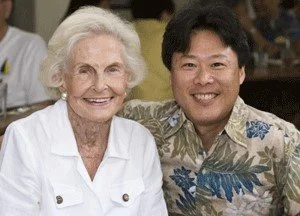
Emily Castle names HCBB as the major beneficiary of her trust.
2012
Transplanted units #99 and #100 go to the same patient. The units were collected at Kapiʻolani Medical Center in 2005 and 2010 from two different donor families.
2014
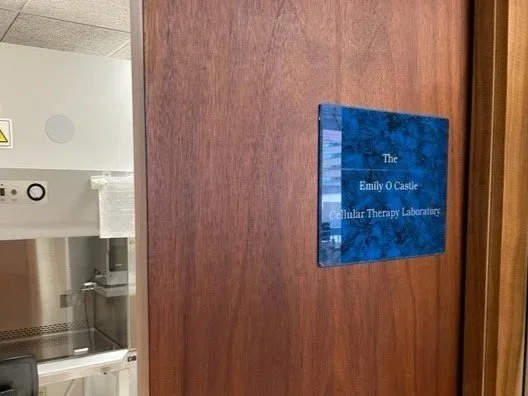
HCBB establishes the Hawaiʻi Cellular Therapy & Transplant Laboratory. To recognize Mrs. Castle's bequest, and to honor her generosity, the stem cell processing facility is named The Emily O. Castle Cellular Therapy Laboratory.
2016
Transplanted units #199 and #200 go to the same patient. The units used are from siblings born 6 years apart, both collected by Dr. Eesha Bhattacharyya.
2024
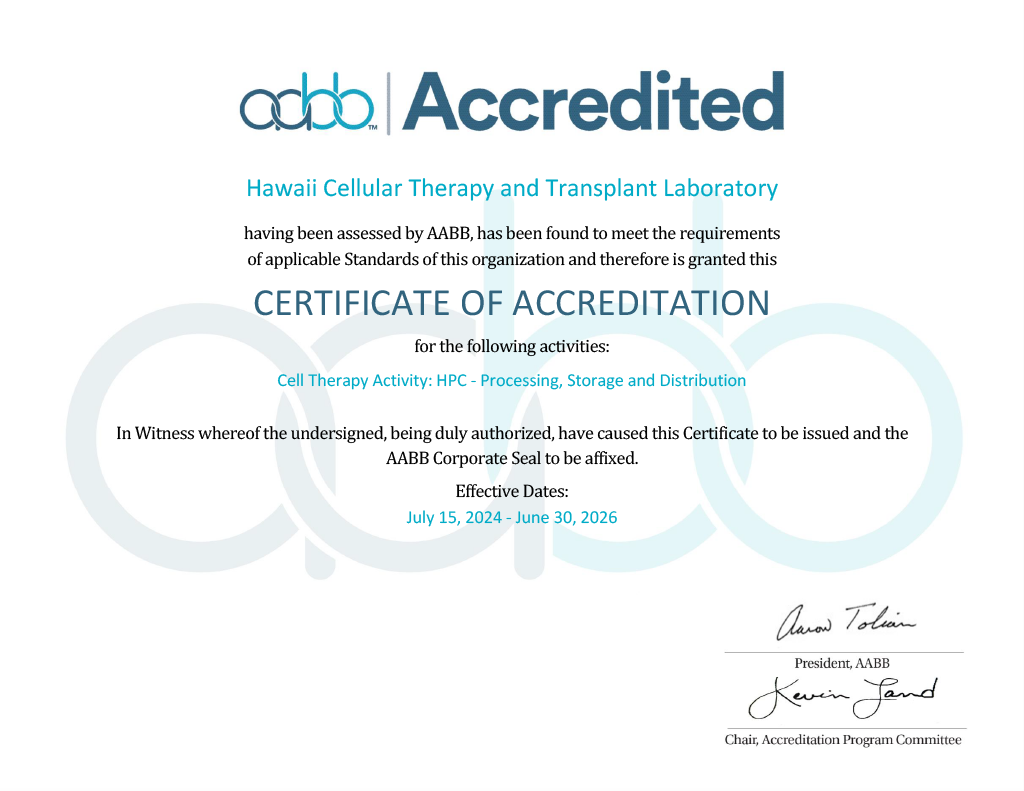
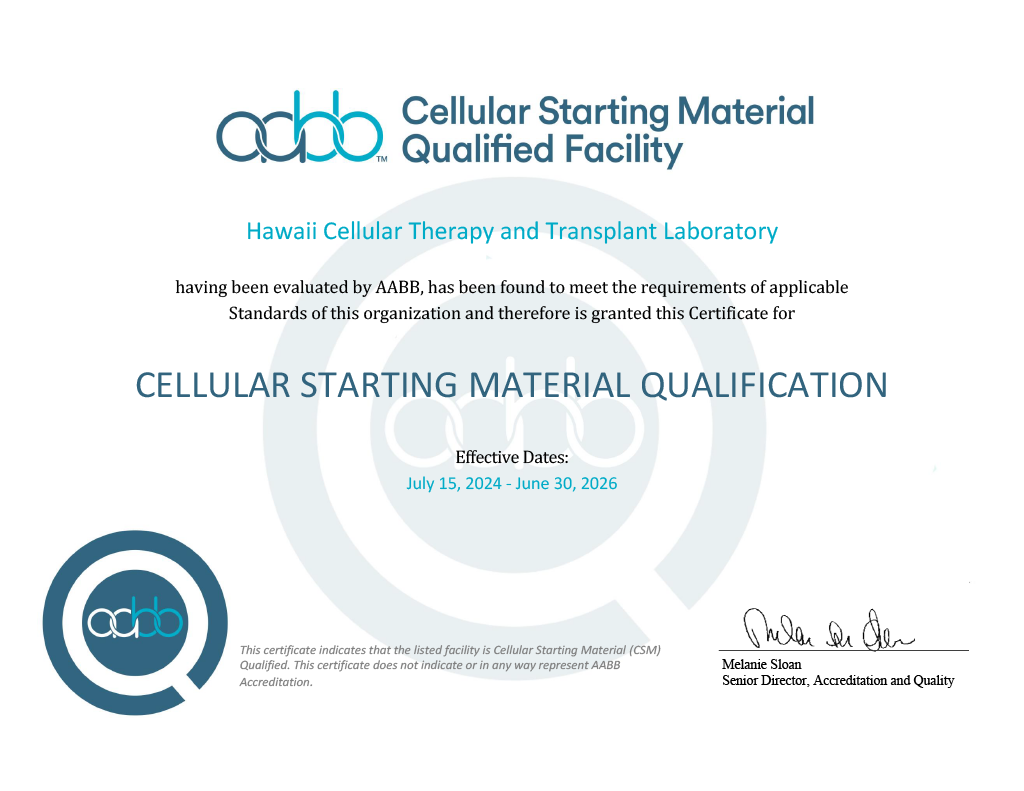
Hawaiʻi Cellular Therapy & Transplant Laboratory receives AABB accreditation for cell therapy activities and accredited facility for cellular storage material.
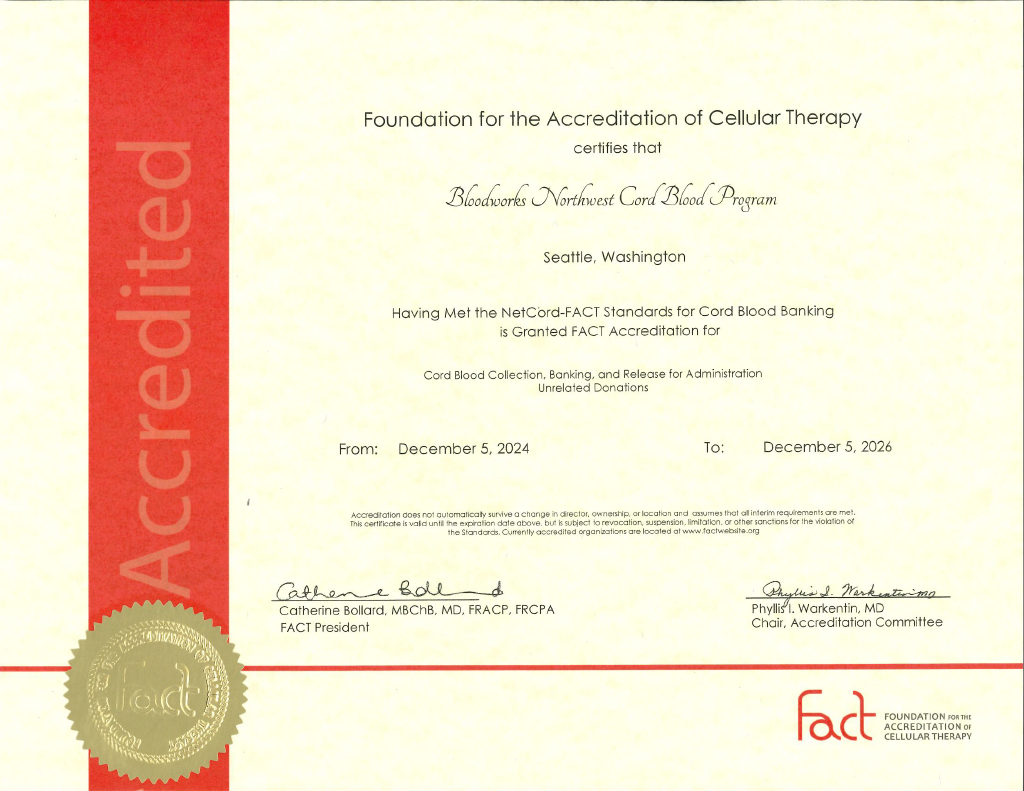
Bloodworks Northwest receives NetCord FACT accreditation for cord blood collection.
2025 - Present
Looking Ahead
We are committed to focus on expanding community awareness, enhancing clinical collaboration, and strive to increase access to transplants for future recipients.